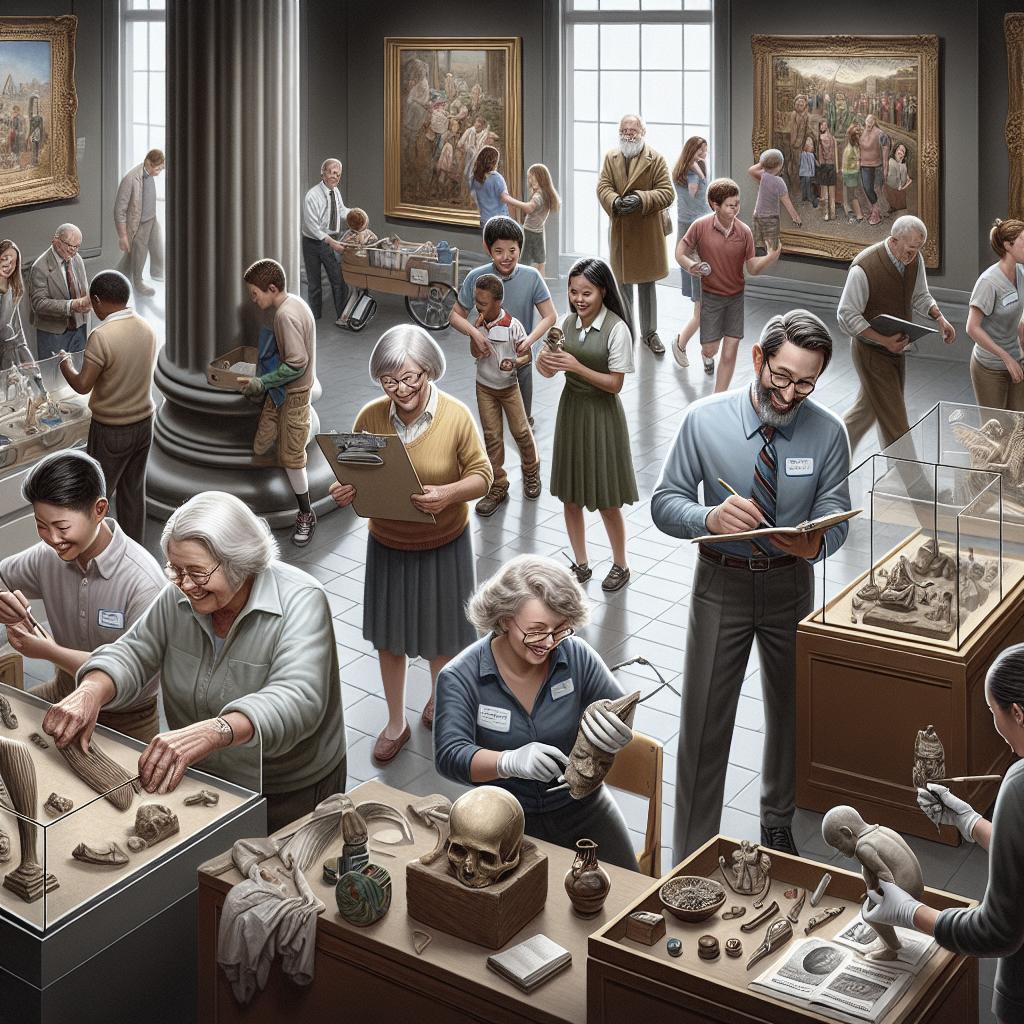
Exploring museums dedicated to social history offers a deep dive into the lives, struggles, and triumphs of everyday people across time. These institutions provide invaluable insight into sociocultural dynamics, highlighting how historical events shaped contemporary societies. This blog post will guide you through various museums and historic sites, focusing on their origins, early years, closures, expansions, and mergers. We’ll also explore their unique collections, painting a rich tapestry of human history through the lens of social heritage. Whether you are a history buff or just curious about the narrative of human progress, these museums offer a treasure trove of knowledge and inspiration. “`html
See our museums and historic sites
“` When it comes to immersing oneself in social history, several museums across the globe stand out for their dedication and depth. These institutions create an educational journey that spans centuries, touching upon the lives of ordinary and extraordinary people alike. They showcase the resilience of human beings through various eras, from ancient civilizations to modern societies. Visitors can witness firsthand the artifacts, documents, and stories that have been preserved to highlight human ingenuity and persistence. These museums often act as time capsules, preserving narratives that might otherwise have been forgotten. They range from large, well-funded establishments to smaller, localized centers, each contributing uniquely to the greater understanding of social history. “`html
Results
“` The results of visiting these museums are multifaceted; they can be educational, emotional, and inspirational. Educationally, they provide detailed accounts and interpretations of how social forces have shaped societal structures. Emotionally, museums often bridge gaps between the present and the past, allowing visitors to empathize with different periods’ peoples and cultures. Inspiration is another significant outcome, as learning about past struggles and achievements can foster a deeper appreciation for the present and drive positive change for the future. By understanding the past, one can glean insights into current social issues, encouraging informed action and advocacy. “`html
Thank you for your submission
“` Your participation in exploring these museums helps keep history alive. Whether through visits, donations, or spreading the word, supporting these institutions ensures that they can continue their vital work. Each visitor or contributor plays a role in preserving social history, contributing to a collective memory that benefits society. By submitting your interest in these museums, you also help these institutions better understand and cater to the public’s educational and social needs. Therefore, your engagement is invaluable, and the museums appreciate your contribution to preserving and interpreting social history. “`html
Background and Origins
“` Many of these museums were founded with a mission to document and share the social fabric of society. The origins often trace back to dedicated historians or philanthropists who recognized the importance of preserving everyday stories. Institutions like the Tenement Museum in New York City and London’s Museum of the Home sprang from a desire to depict urban and domestic life’s authenticity. These museums often started modestly before expanding into comprehensive collections that draw visitors worldwide. Founders typically had a vision of preserving untold stories and highlighting the social dynamics that textbooks and mainstream history often overlook. This commitment to inclusivity and depth is a cornerstone of their mission. “`html
Early Years
“` In the early years, many social history museums faced financial constraints and the challenge of gaining public interest. Limited funding often meant minimal staffing and modest exhibits. However, passionate individuals and communities rallied to support these emerging institutions, recognizing their cultural and educational value. The hard work paid off; these museums began to draw a steady stream of visitors and gained traction in academic circles. Partnerships with universities, local schools, and historians helped to enrich their exhibits and educational programs. The initial struggle underscored a commitment to preserving social narratives, eventually leading to broader recognition and funding. “`html
Closure
“` Despite their significance, some social history museums have faced closures due to financial difficulties or lack of public support. Local government funding cuts and changing educational policies can lead to such unfortunate outcomes. The closures often highlight the vulnerability of cultural institutions that rely heavily on external funding and visitor numbers. However, these closures also underscore the critical need for public and private support. Efforts to rally community involvement, online campaigns, and partnerships with larger institutions often arise during these challenging times. They serve as a reminder that preserving social history requires a collaborative effort from all societal sectors. “`html
Business During Closure
“` During temporary closures, many museums have turned to digital platforms to keep their collections accessible. Virtual tours, online exhibits, and educational webinars have made it possible for these museums to continue their mission. These digital efforts often reach a broader audience, transcending geographical limitations. Virtual initiatives also allow for interactive and innovative ways to engage with social history. Educational resources like downloadable archives, interactive timelines, and virtual curator talks provide enriching experiences even when the physical doors are closed. This pivot to digital underscores the adaptability and resilience of these institutions. “`html
1971 Reopening
“` For some museums, significant reopening events mark a new chapter of growth and expansion. A notable example is the reopening of certain museums in the early 1970s, a period marked by renewed interest in social history and cultural preservation. Reopening often brought about renovations, new exhibits, and a broader educational scope. Such events typically involve community celebrations, tapping into a wider audience and reigniting local and academic interest. The reopening phase is usually marked by a renewed mission to engage the public through more interactive and inclusive exhibits, making social history more accessible and relatable. “`html
1992 Expansion
“` The early 1990s saw many social history museums expand their facilities and collections, responding to increasing visitor interest and academic acknowledgement. This period often involved constructing new wings, incorporating state-of-the-art technology, and enhancing curatorial practices. Expansions during this time were aimed at deepening the visitor experience through immersive exhibits and comprehensive archives. The expansion phase usually included collaborations with other cultural organizations, interdisciplinary displays, and a focus on underrepresented stories. Efforts were made to encompass more global perspectives, moving beyond local or national narratives to illustrate a more interconnected human history. “`html
Merger with Stewart Museum
“` Mergers with other institutions often bolster the capabilities and reach of social history museums. The merger with the Stewart Museum, for instance, allowed for a united front in cultural preservation and educational outreach. Such mergers typically leverage the strengths of each institution, creating a more robust platform for showcasing social history. These mergers often lead to an amalgamation of collections, resources, and expertise. The combined efforts can result in more comprehensive displays and a synchronized mission to educate the public about various social histories. The unified institution benefits from shared funding, broader marketing efforts, and combined academic resources. “`html
Collections
“` The collections inside social history museums offer a deep well of knowledge and insight. They often include artifacts ranging from domestic tools to multimedia presentations, each providing unique information about different periods and cultures. The breadth of these collections is designed to highlight the everyday experiences of diverse populations. Exhibits often integrate personal stories, letters, photographs, clothing, and household items, lending a personal touch to historical narratives. Interactive displays and multimedia elements make these stories accessible and engaging, allowing visitors to understand the socio-cultural contexts behind the artifacts. These collections serve as tangible bridges to the past, making history come alive for contemporary audiences. Proactive steps to ensure collections reflect diverse perspectives and untold stories are crucial for these institutions. Curators continuously strive to include voices that have historically been marginalized, thereby presenting a more comprehensive and inclusive view of social history. This ongoing commitment is vital for keeping the museum’s mission relevant and impactful. “`html
| Section | Summary |
|---|---|
| See our museums and historic sites | Overview of the importance of visiting social history museums. |
| Results | Educational, emotional, and inspirational outcomes of museum visits. |
| Thank you for your submission | The importance of public support and engagement in these museums. |
| Background and Origins | Founding of social history museums and their initial missions. |
| Early Years | Challenges and developments faced by museums in their initial stages. |
| Closure | Factors leading to the closure of some social history museums. |
| Business During Closure | Digital initiatives undertaken during closures to keep collections accessible. |
| 1971 Reopening | Significant reopening events that marked new chapters for museums. |
| 1992 Expansion | Growth and enhancement of museum facilities and collections. |
| Merger with Stewart Museum | Benefits and outcomes of merging with other institutions. |
| Collections | Depth and diversity of museum collections and their significance. |
“`