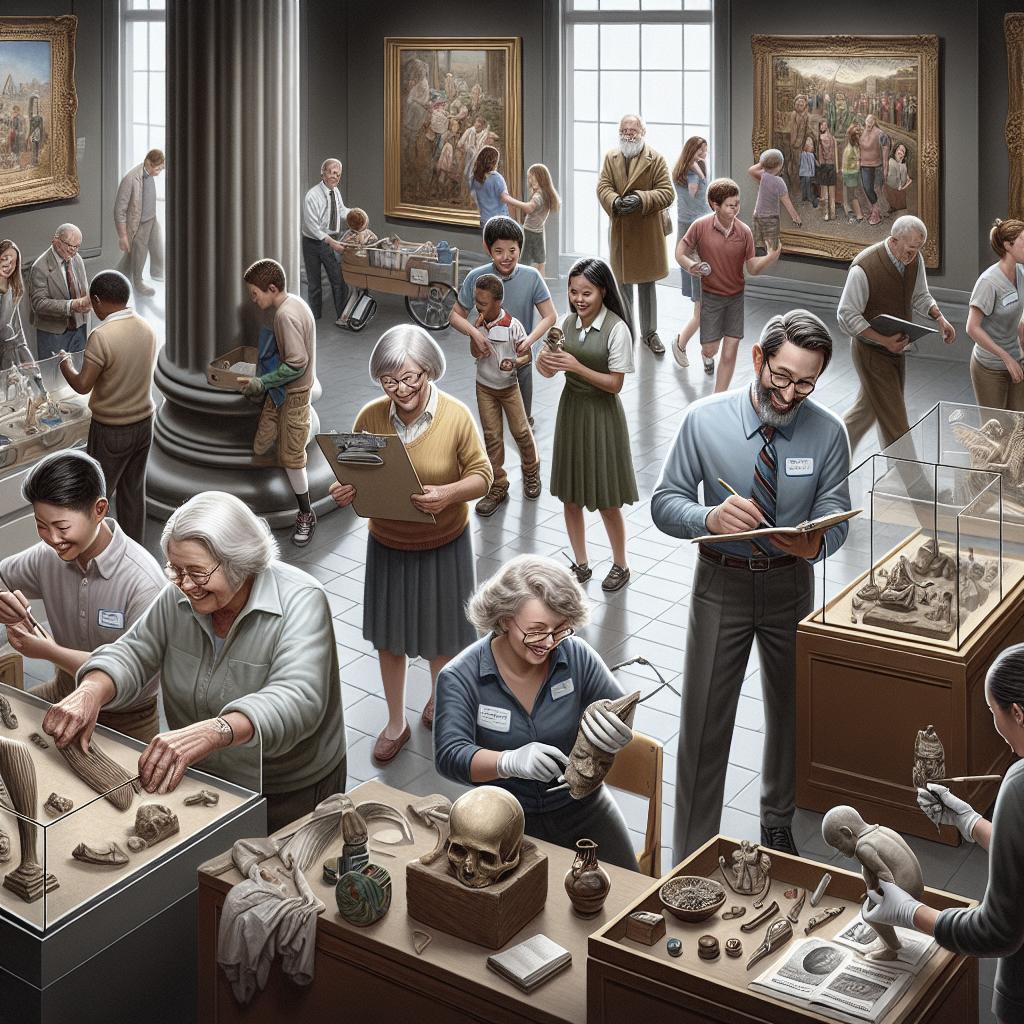
Exploring science museums with kids is an enriching experience that combines fun with learning. This guide provides insightful tips to make the most out of your visit. From discovering botanical gardens and experimenting with pulleys to unraveling the science behind roller coasters, interactive exhibits are designed to engage young minds. We’ll delve into featured exhibits such as the “Jardin botanique” and “Lake Winnipeg: Shared Solutions,” and highlight hands-on activities like the snowball race experiment. Additionally, we’ll touch on the role of youth in climate action through the Youth Climate Alliance and explore the captivating history of the Science Gallery. For event planning, learn craft ideas under “Make your event fun!” featuring engineered speed models, cosmos exploration, and animation techniques. This guide aims to maximize your museum visits, ensuring an educational yet thrilling experience for the whole family. —
Jardin botanique
Exploring a botanical garden within a science museum provides kids with a unique fusion of science and nature. The Jardin botanique is a living exhibit where children can learn about different plant species, their environments, and their roles in the ecosystem. This interactive environment encourages curiosity as kids are encouraged to touch, smell, and sometimes even taste various plant specimens. Parents can enhance the learning experience by engaging their children in discussions about plant biology, photosynthesis, and the importance of biodiversity. Interactive displays often include magnifying glasses, information panels, and even simple experiments that demonstrate processes like seed germination or pollination. These immersive experiences help children understand the interconnectedness of living organisms and the environment.
Related content
Nearby exhibits related to the botanical garden often include insect habitats, where kids can observe pollinators like bees and butterflies in action. Collaborative activities such as community planting projects or DIY terrariums can extend the learning beyond the museum visit. These exhibits create tangible connections between the plant life in the Jardin botanique and the broader ecosystem. Consider pairing your visit with some reading material or videos on plant growth and environmental conservation. This way, children can carry their newfound knowledge home and apply it to their daily life, be it through gardening at home or participating in school projects.
Brickyard
The Brickyard exhibit is a hands-on building station where children can unleash their inner engineer. Using interlocking bricks of various shapes and sizes, kids can build complex structures, from simple towers to intricate models of bridges and buildings. This activity fosters creativity, problem-solving, and an understanding of basic engineering principles. Children are encouraged to test the stability of their constructions, learning through trial and error about weight distribution, support, and balance. This exhibit serves as a starting point for discussions on architecture, civil engineering, and even physics, depending on the complexity and interest levels of the children involved.
Lake Winnipeg: Shared Solutions
The “Lake Winnipeg: Shared Solutions” exhibit is an interactive learning station focusing on environmental science and sustainability. Children can engage in activities that simulate the challenges and solutions surrounding one of North America’s largest freshwater lakes. They can learn about the lake’s ecosystem, human impact, and the importance of conservation efforts. Interactive elements such as water quality testing kits or digital simulations allow kids to visualize and understand the complex relationships between human activities and environmental health. This exhibit can inspire young minds to think critically about real-world issues and consider careers in environmental science or policy-making.
Pulley Chairs
“Pulley Chairs” is an exhibit designed to teach children about simple machines and the principles of physics. Kids can sit in chairs that are connected to pulley systems and experience firsthand the effort required to lift themselves using different mechanical systems. This interactive display demonstrates concepts such as mechanical advantage, force, and motion. The hands-on experience makes abstract scientific concepts more tangible and enjoyable. Parents and educators can use this opportunity to explain how pulleys are used in everyday life, from elevators to construction cranes, and encourage children to think about engineering solutions to everyday problems.
Museum Stories: Hands-on with science!
Snowball race! At-home science experiment
The “Snowball race” is a fun and interactive at-home science experiment that complements a museum visit. Create a simple race track for “snowballs” made from different materials like paper, cotton, and aluminum foil. Kids can roll their snowballs down the track and observe which one reaches the end first. This activity demonstrates principles of motion, friction, and material properties. Engage your child in hypothesis formation, asking them to predict which snowball will win and why. This fosters critical thinking and habitual scientific inquiry. The experiment can be extended by altering variables, such as the incline of the track or the type of surface, to explore how these affect the outcome.
Simple machines: Pulley Chairs!
The Pulley Chairs exhibit, discussed earlier, also serves as a perfect precursor for experiments at home. You can recreate simple pulley systems using household items like ropes and wheels. Have children lift various objects of different weights using their DIY pulley, and observe the mechanical advantage gained. Teaching children to make their own pulley systems broadens their understanding and appreciation for mechanical discoveries. It encourages them to think about the engineering behind everyday objects and can lead to deeper interest in STEM subjects.
Do you know how roller coasters work?
Roller coasters provide an exhilarating way to teach children about physics, particularly concepts of energy, force, and motion. After experiencing a roller coaster exhibit, delve deeper into the science by discussing potential and kinetic energy, gravity’s role, and inertia. Many museums feature smaller-scale roller coaster models or simulations to illustrate these principles. Try creating a simple roller coaster track with household items like pool noodles cut in half or flexible tubing. This hands-on activity can help children visualize and understand the dynamics of roller coaster physics, turning a thrill ride into an educational adventure.
Youth Climate Alliance
The Youth Climate Alliance is an initiative that encourages young people to engage in environmental activism and sustainability projects. This program often partners with science museums to provide resources, workshops, and activities geared towards climate education and action. Incorporating visits to related exhibits, like the Lake Winnipeg exhibit, with participation in Youth Climate Alliance initiatives can deepen kids’ understanding of environmental issues. These programs empower children by showing them that their actions can have a significant impact on the planet, fostering a sense of responsibility and leadership. Science museums often host special events and talks by environmental activists, scientists, and policymakers as part of this initiative. Attending these can further inspire and motivate kids to get involved in climate action projects at school or within their community.
History of the Science Gallery
Understanding the history of the Science Gallery can provide children with a richer context for their museum visit. Originally established as a place to democratize scientific knowledge, the gallery has evolved to incorporate cutting-edge interactive exhibits and technology. Lessons on the development of science museums and their role in education can help children appreciate the importance of public access to scientific knowledge. It can also serve as inspiration for young future scientists to think creatively about how they can contribute to their fields. Many science museums offer timelines and historical exhibits that walk visitors through significant milestones in science and technology. These exhibits often feature artifacts, photographs, and multimedia presentations that bring history to life, making it engaging for younger audiences.
Make your event fun!
Engineered for Speed
Hosting a science-themed event, such as a birthday party or school function, can be both educational and enjoyable. One popular activity is “Engineered for Speed,” where children design and build their own mini-racecars using a variety of materials. They can test their creations on custom tracks, learning about concepts of aerodynamics, friction, and weight distribution. Encourage kids to observe and tweak their designs to improve performance, fostering a mindset of experimentation and perseverance. This activity not only teaches engineering principles but also builds teamwork and collaboration skills as children can work together to create and refine their racecars.
Cosmos Corner
The Cosmos Corner is an excellent way to introduce children to astronomy and the wonders of the universe. Arrange stargazing sessions with telescopes, or simulate space missions and planetary exploration using virtual reality experiences. Museums often provide resources like star charts, space-themed puzzles, and interactive exhibits about planets, stars, and galaxies. Enhancing these experiences with hands-on activities, such as building model rockets or creating constellations with stickers and glow-in-the-dark stars, makes the topic more accessible and exciting. These activities can spark a lifelong interest in space science and engineering.
Animation Station
“Animation Station” is a creative exhibit where children can learn about the basics of animation and storytelling. Using simple tools like flipbooks, stop-motion kits, or digital animation software, kids can bring their stories to life. This activity combines elements of art, technology, and narrative skills, fostering well-rounded development. Parents and educators can guide children through the process of creating a storyboard, drawing characters, and animating scenes. These projects not only teach technical skills but also enhance creativity and communication abilities, making learning a multifaceted experience. — ### Summary of main points
| Section | Main Points |
|---|---|
| Jardin botanique | Interactive plant exhibits; lessons on plant biology and ecosystems |
| Related content | Covers insect habitats and environmental conservation projects |
| Brickyard | Hands-on building activities to learn engineering principles |
| Lake Winnipeg: Shared Solutions | Focuses on environmental science and sustainability |
| Pulley Chairs | Teaches principles of physics through interactive pulleys |
| Snowball race! At-home science experiment | Demonstrates motion, friction, and material properties |
| Simple machines: Pulley Chairs! | Recreate simple pulley systems to learn mechanical advantage |
| Do you know how roller coasters work? | Teaches physics concepts like energy and motion through roller coaster models |
| Youth Climate Alliance | Encourages young people to engage in climate action and sustainability projects |
| History of the Science Gallery | Provides context and educational significance of science museums |
| Engineered for Speed | Mini-racecar building activity that teaches engineering and teamwork |
| Cosmos Corner | Astronomy activities like stargazing and space-themed hands-on projects |
| Animation Station | Basics of animation and storytelling enhanced by creative tools |