“`html
Discover the Best Historical Reenactments in Museums: Unveiling History Through Dramatic Performances
Step back in time and witness history come alive through the magic of historical reenactments in museums. These immersive experiences not only educate but also entertain, providing a unique glimpse into the past. From epic battles to everyday life in bygone eras, reenactments allow visitors to engage deeply with history. In this comprehensive guide, we’ll explore where you can find such reenactments, highlight some weekend events, go over event schedules, and provide detailed information on accessibility, parking, and frequently asked questions. Whether you’re a history buff or just looking for a unique outing, this article will help you navigate the fascinating world of museum reenactments.
Breadcrumb
Museums offering historical reenactments usually start with an engaging introduction to guide you through the experiences awaiting you. This initial breadcrumb is designed to give visitors a quick overview of what’s in store. You can find summaries at the museum’s entrance or on their websites, often including the history behind the reenactments, helpful diagrams, and brief bios of the characters you’ll meet. These breadcrumbs help set the stage, priming viewers with context and laying down the narrative groundwork for an experience that is both informative and captivating. As a visitor, it’s advisable to utilize these resources to better understand the timeline of events and main characters that will be portrayed.
Weekend Highlights
Saturday, June 1
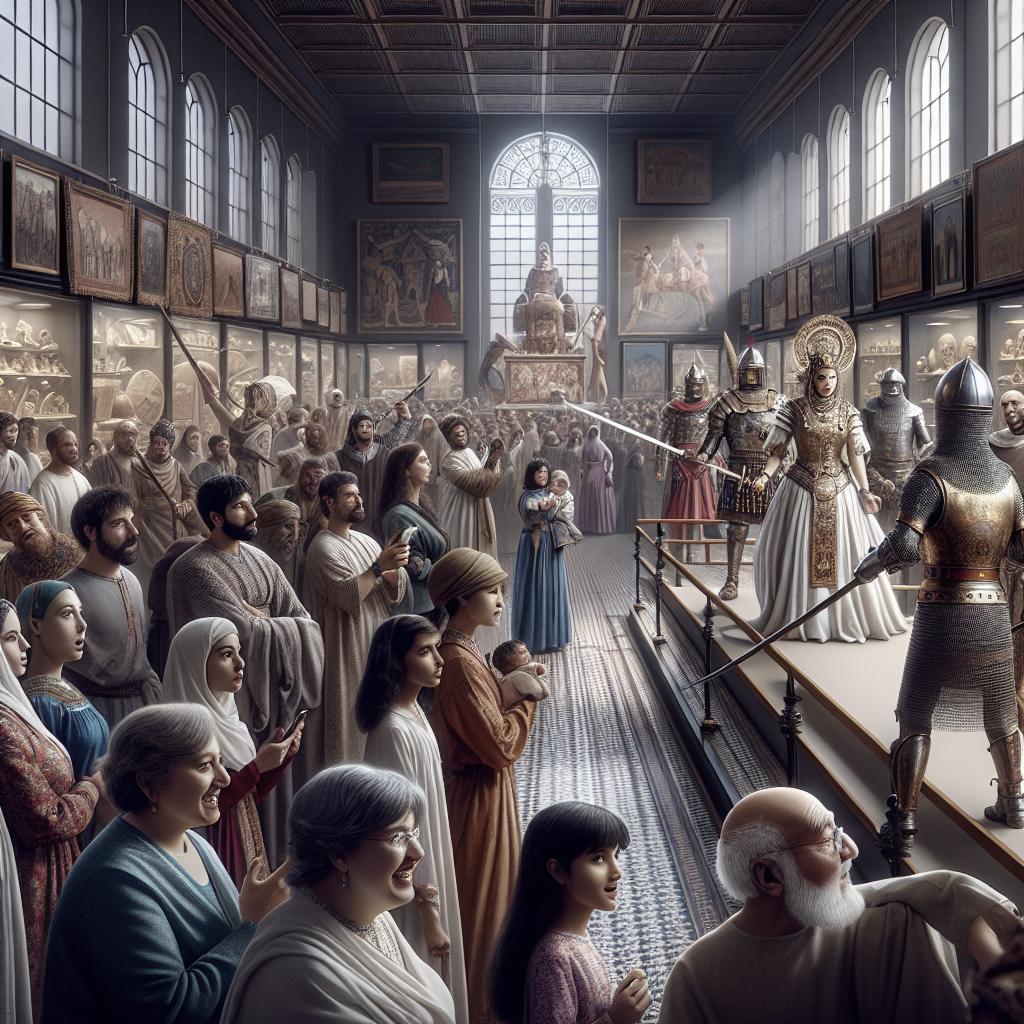
Saturday at many museums often features several dynamic reenactment events. For example, Colonial Williamsburg’s Historic Area hosts interactive programs such as a Revolutionary War battle reenactment. Visitors can also participate in daily life activities, such as colonial cooking, blacksmithing, and even a trial at the courthouse. At the Gettysburg National Military Park, you might witness a meticulous reenactment of the Battle of Gettysburg. Reenactors in authentic uniforms provide a vivid visual and auditory experience, bringing to life tactics, struggles, and the fervor of the battle.
Sunday, June 2
Sunday events often provide a more relaxed but equally engaging experience. For instance, Plimoth Patuxet Museums place visitors in the year 1627, offering a chance to interact with both Native American and Pilgrim interpreters. These settings allow immersive discussions and hands-on activities like planting crops or traditional crafting. In addition, museums like the Missouri History Museum often host themed days, such as Victorian Sunday, where visitors can enjoy period-appropriate music, dance, and fashion shows. It’s not just about observing history, but actively participating in it.
Event Schedule
Event schedules are typically detailed in brochures available at the museum’s entrance or online. They often categorize events by types, such as military reenactments, living history demonstrations, and themed workshops. For instance, the Museum of the American Revolution has a robust event calendar featuring reenactments, panel discussions, and hands-on activities spread throughout the day. This allows visitors to plan their visit according to their interests and ensures they won’t miss out on any key presentations. Regular scheduling updates help keep the content dynamic and responsive to visitor feedback. Attendees are encouraged to check the schedules often, especially during festive seasons when special events are added to the roster.
Popular Visit Lists
Creating a “must-visit” list can be beneficial to make the most out of your museum visit. Lists often include top events, such as ‘The Civil War Brooklyn’ at the New-York Historical Society, where visitors can see urban warfare tactics and meet key historical figures. Interactive exhibits where visitors can try on period clothing or participate in activities like candle making or sword fighting are also highly recommended. These immersive experiences make the history tangible and deeply engaging. Some visiting tips include arriving early to avoid crowds and reserving tickets for special events in advance. Museums often have a limited capacity for certain reenactments, so early booking ensures a spot in these sought-after activities.
Places
Several renowned museums across the United States offer extraordinary historical reenactments. Colonial Williamsburg in Virginia offers one of the most comprehensive living history experiences, with reenactments portraying life in the 18th century colonial period. The Henry Ford Museum in Dearborn, Michigan, also stands out with its Greenfield Village, where immersive experiences include famous historical figures and milestones in American innovation. Visitors can witness the Wright brothers’ first flight or Thomas Edison’s electric light debut. In Philadelphia, the Museum of the American Revolution offers compelling reenactments that delve deep into the Founding Fathers’ struggles and triumphs. Live performances often highlight pivotal moments, giving tourists an emotional and enlightening journey into America’s past.
Road Map
Planning your visit to multiple museums with historical reenactments can be streamlined with a detailed road map. Starting in the Northeast, you can visit the Boston Tea Party Ships and Museum before heading down to Williamsburg, Virginia. This route offers a comprehensive overview of early American history. Midwestern travelers might start at the Chicago History Museum before moving on to Dearborn, Michigan, to explore the Henry Ford Museum. This itinerary provides a mix of revolutionary and industrial history, satisfying diverse historical interests. Out West, you can explore Sutter’s Fort State Historic Park in Sacramento, California, which reminds visitors of the California Gold Rush era, and then move to the Autry Museum in Los Angeles for a look at the American West and Native American history.
Maps, Parking and Directions
Most museums provide visitor maps both on-site and online, aiding in navigating the extensive grounds and numerous exhibits. These maps often highlight significant reenactment zones and designated rest areas and food courts. Parking information is typically included, detailing both free and paid parking options. Williamsburg, for example, offers multiple parking lots around the historic area, complete with shuttle services. The Gettysburg Museum and Visitor Center also provide ample parking facilities, making access convenient for visitors. Finally, directions are often accompanied by helpful visual aids and traffic updates, ensuring you get to your destination without any hassle. It’s always useful to download these maps and parking instructions beforehand to avoid last-minute confusion.
Site Map & Directions
Museums’ websites typically feature a detailed site map, which helps visitors locate various exhibits, reenactment areas, and essential amenities. The website of Jamestown Settlement, for example, offers interactive maps that pinpoint important locations, making it easier to plan the visit. Detailed directions via various modes of transportation—whether by car, public transit, or walking—are also laid out clearly. GPS coordinates, public transit routes, and even pedestrian pathways are provided to ensure visitors arrive smoothly. Some websites also offer virtual tours of the site, allowing first-time visitors to familiarize themselves with the layout, making the actual visit much more enjoyable and less overwhelming.
Parking and Shuttle Service
Many museums provide extensive parking facilities, including handicapped-accessible spots. It’s common for larger museums to offer shuttle services from peripheral parking areas to the main entrance. This service proves invaluable during peak hours and special events. For instance, shuttle buses at the Gettysburg National Military Park Visitor Center run at regular intervals, ferrying visitors between distant parking lots and the main reenactment grounds. This ensures that even when parking close to the site is full, visitors can still reach the event areas conveniently. Shuttle services are generally either free or included in the museum’s admission fee, making it a stress-free part of the visiting experience. Maps indicating shuttle stops are often displayed prominently at parking areas.
Take the Bus
Public transportation is a viable option for accessing many museum reenactment locations. Museums in urban areas like the Metropolitan Museum of Art in New York City or the Smithsonian National Museum of American History in Washington, D.C., are well-served by bus lines. Provisions for purchasing bus tickets and estimated travel times are commonly listed on museum websites. The convenience of public transportation not only reduces the hassle of parking but also contributes to a greener environment, making it a preferred option for many visitors. Some museums even offer discounts on admission for visitors who use public transport, encouraging the use of eco-friendly travel methods. Always check the latest schedules and routes to ensure a smooth journey to your destination.
Accessibility
An inclusive museum experience is crucial for all visitors. Many institutions have taken significant strides to ensure their reenactments and exhibits are accessible to everyone. Ramps, elevators, and designated viewing areas for wheelchair users are standard in modern museum designs. Guides trained in American Sign Language (ASL) or systems for visually impaired individuals, such as braille maps and audio descriptions of exhibits, further enhance the accessibility of these historical experiences. Museums like Colonial Williamsburg offer extensive resources and trained staff to ensure all visitors can fully engage with reenactments. Advanced notice often allows museums to tailor the experience to individual needs, so it’s advisable to contact the museum ahead of your visit. With these accessibility features, museums ensure history is an experience everyone can enjoy.
Frequently Asked Questions
Visitors often have several questions about reenactment events in museums. Common queries include, “Do you need to buy tickets for individual events?” Generally, your museum admission covers the cost of all the reenactments, but it’s always good to check the specific museum’s policy. Another frequent question is, “Are the reenactments suitable for children?” Most museums offer family-friendly reenactments, often accompanied by educational activities and interactive exhibits to keep younger visitors engaged. However, certain battles or dramatic performances may be more suitable for older children and adults. Questions about photography policies, food options, and onsite amenities are also common. While photography is often allowed, some museums require special permits for professional equipment. Onsite cafes and rest areas provide ample options for refreshment between viewing reenactments.
Future Prospects
| Subheading | Summary |
|---|---|
| Breadcrumb | Introduction to museums’ historical reenactments and what visitors can expect. |
| Weekend Highlights | Features key events on specific days, such as dynamic and interactive programs at various museums. |
| Event Schedule | Details on how to plan your visit based on types of reenactments and workshops offered. |
| Popular Visit Lists | Recommendations on must-visit reenactments and time-saving tips for visitors. |
| Places | A look at renowned museums offering exceptional historical reenactments across the United States. |
| Road Map | Sample itineraries to help plan a tour of multiple historical reenactment sites. |
| Maps, Parking and Directions | Practical information on navigating museum grounds, including parking and detailed site maps. |
| Parking and Shuttle Service | Details on available parking options and shuttle services offered for visitor convenience. |
| Take the Bus | Public transportation options for accessing museum reenactments and potential benefits. |
| Accessibility | Accessibility measures taken by museums to accommodate all visitors, including special needs services. |
| Frequently Asked Questions | Common inquiries from visitors regarding tickets, child-friendly events, and amenities. |
“`