
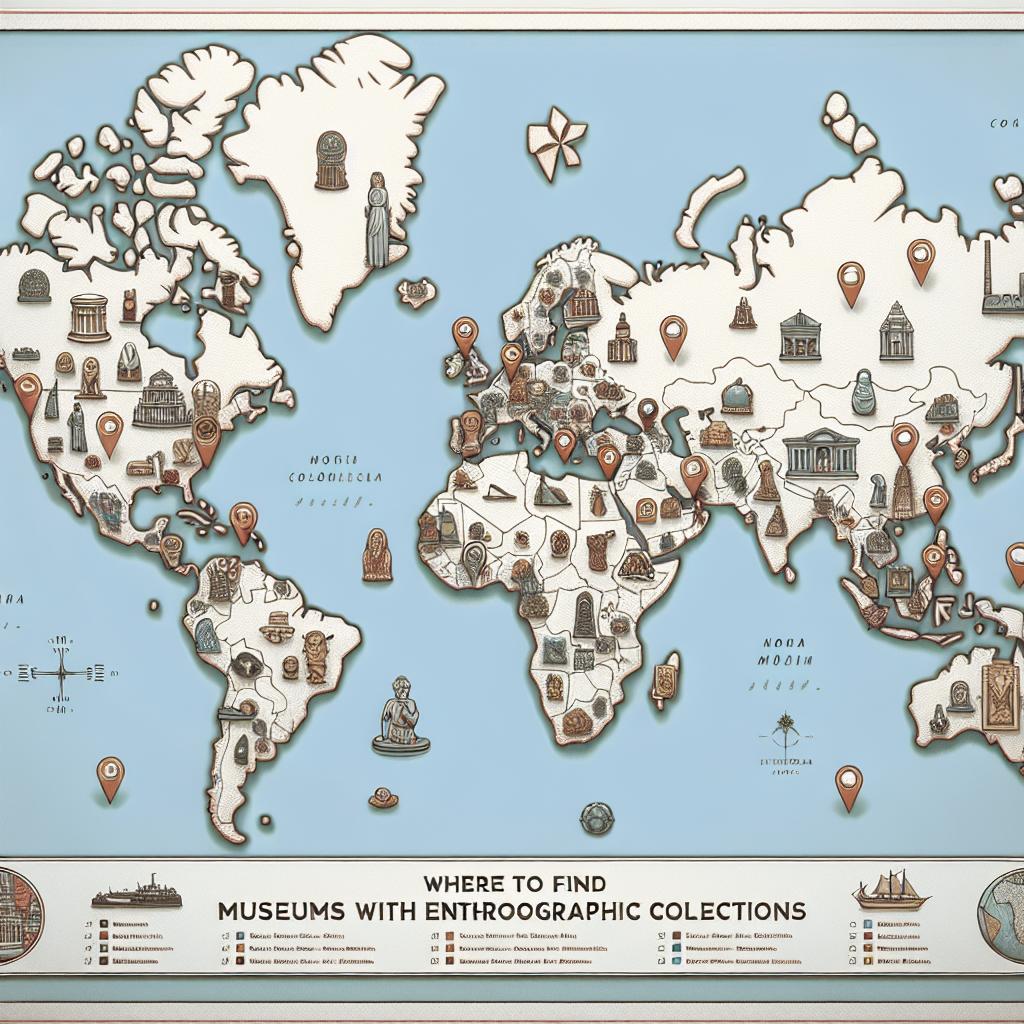
Ethnographic museums provide unique windows into the worlds of different cultures, making them invaluable resources for anyone eager to learn about the diverse tapestry of human civilization. In this blog post, we delve into some of the most compelling and accessible museums worldwide that host ethnographic collections. We’ll explore specific locations you can visit, highlighting the unique features of each museum, the types of collections they harbor, and their significance in the field of cultural heritage and archaeology. Whether you’re an experienced ethnographer, a student, or simply an enthusiast, this guide will point you to some rich reservoirs of cultural knowledge.
Roger Lewis
Ethnography and Archaeology
Roger Lewis is a prominent name when discussing ethnography and archaeology, particularly within the context of the Mi’kmaq culture. As an expert in these fields, Lewis has delved deep into the traditions, artifacts, and historical contexts that shape the Mi’kmaq people’s rich heritage. His work provides vital insights into the ways of life of Indigenous communities in Canada, offering valuable perspectives through both academic research and accessible public curation.
Roger’s approach to ethnographic studies often intersects with archaeology, making his work particularly compelling for those interested in how past and present cultural practices intertwine. His publications, exhibitions, and educational programs serve as excellent resources for learning more about the interdisciplinary methods used in contemporary ethnographic research. This holistic approach ensures that the material culture of the Mi’kmaq is not only preserved but also meaningfully interpreted and shared with broader audiences.
Mi’kmaq Cultural Heritage Curator
Holding the esteemed position of Mi’kmaq Cultural Heritage Curator, Roger Lewis plays a crucial role in safeguarding and promoting the cultural artifacts and traditions of the Mi’kmaq people. His curatorial work goes beyond the mere collection and preservation of objects; it extends into engaging communities, educating the public, and fostering a deeper appreciation of Indigenous heritage. His exhibitions often feature traditional Mi’kmaq crafts, tools, and artworks, each piece telling a story of cultural resilience and continuity.
One of the standout aspects of his curatorial practice is the inclusion of contemporary Mi’kmaq voices, ensuring that exhibitions are dynamic and reflective of living cultures rather than static representations of the past. This approach aligns with current best practices in museum curation, which emphasize collaboration with source communities and responsiveness to their evolving narratives and needs.
Next steps
| Subheading | Summary |
|---|---|
| Roger Lewis | An introduction to Roger Lewis and his significance in ethnography, particularly relating to the Mi’kmaq culture. |
| Ethnography and Archaeology | Overview of Roger Lewis’s interdisciplinary work combining ethnography and archaeology, with a focus on the Mi’kmaq people. |
| Mi’kmaq Cultural Heritage Curator | Details on Roger Lewis’s role as a curator, highlighting his approach to collecting, preserving, and interpreting Mi’kmaq cultural heritage. |

